
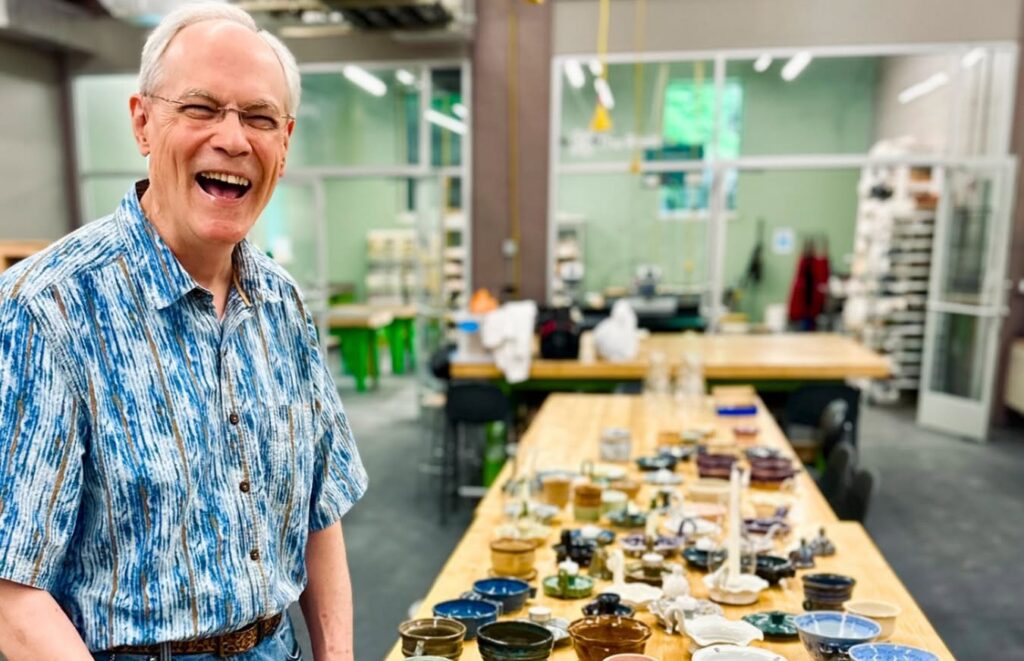
When Discovery Space moved to North Atherton Street in 2017, the building came with a 5,000-square-foot garage that sat empty. The organization could only afford part of the building, and the landlord agreed to give them time before deciding what to do with the rest. It had no ceiling, no heat, and no clear purpose.
For Michele Crowl, Executive Director of Discovery Space & The Rivet, the garage wasn’t just empty space. It was the place where a dream more than a decade in the making might finally find a home. The vision had never faded. It had simply been waiting for the right opportunity.
The garage waited.
Then someone else came looking.
A prospective tenant asked to tour the space, forcing a question that could no longer be postponed: Would Discovery Space finally build the makerspace that community members had been envisioning for years, or would the opportunity pass to someone else?
In November 2018, Centre Foundation answered that question with a $100,000 Centre Inspires grant.
The project already had a name: The Rivet, because a rivet is what holds things together. From the beginning, this was never just about filling an empty garage. It was about creating a place where people, ideas, skills, and community could come together.
The grant did something a grant of that size can rarely do on its own. It made the idea credible. Donors who had heard about the makerspace for years suddenly saw the Foundation standing behind it, and they invested alongside. The Centre Inspires grant became the first domino, helping unlock another $250,000 needed to bring The Rivet to life.
With no heat and little more than bare walls, the work continued through the colder months. Volunteers, neighbors, and contractors showed up after their regular workdays, bundled in coats determined to build something Centre County had never had before.
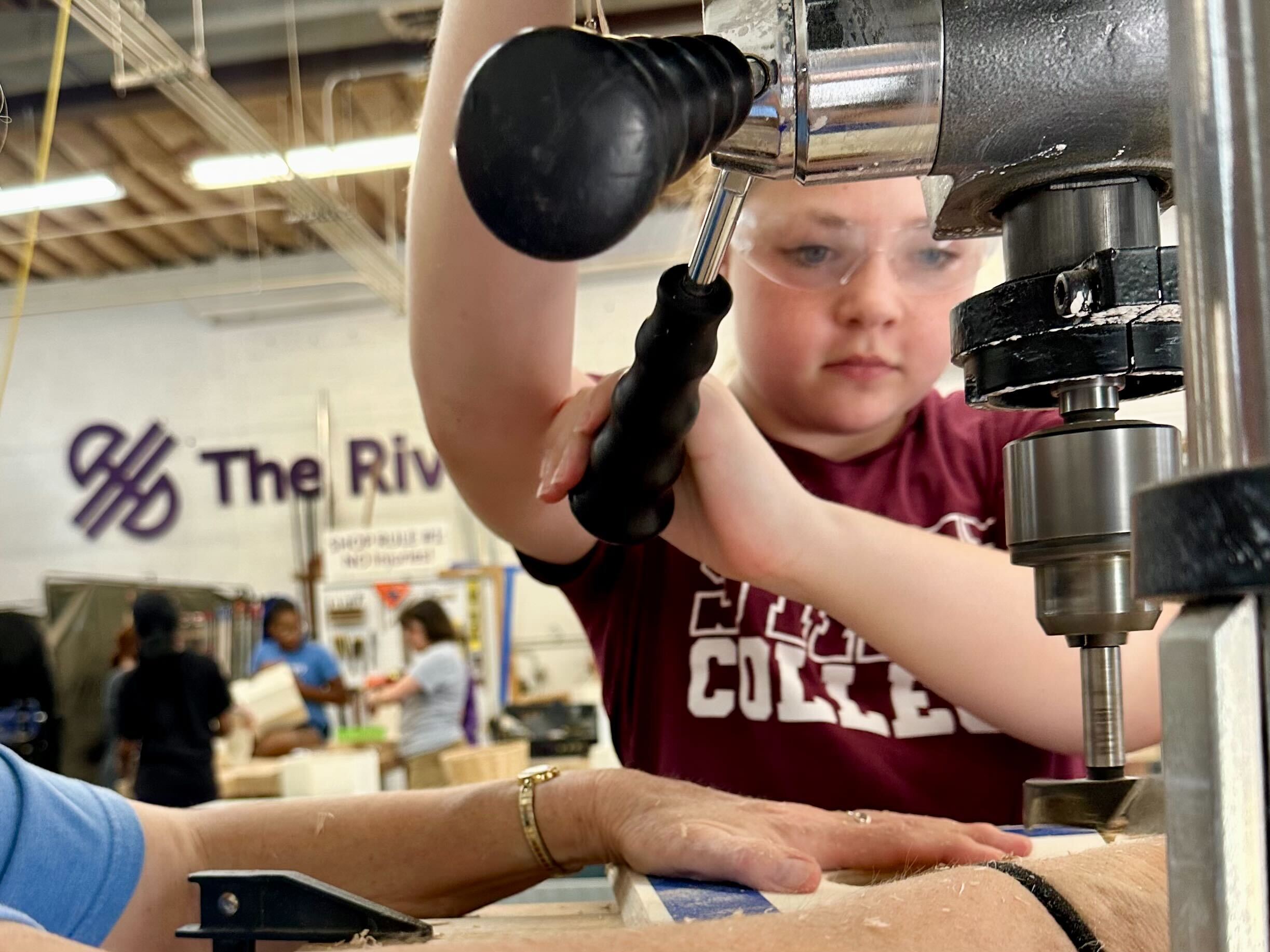
By year’s end, the empty garage had become something almost unrecognizable. Where there once had been bare concrete and cold air, there were sparks from welding torches, the hum of 3D printers, the smell of fresh-cut lumber, shelves of clay waiting to become pottery, and workbenches ready for curious hands of every age. But the real purpose of the space was never the tools. It was giving people, from children discovering a new passion to retirees exploring a lifelong curiosity, the confidence to create something they never thought possible.
The Rivet opened in early 2020, the culmination of years of dreaming, fundraising, and hard work. Just six weeks later, the world shut down.
The workshop that volunteers had spent months bringing to life suddenly sat silent. The tools were in place. The workbenches were ready. And the doors were closed. But The Rivet wasn’t built to sit idle.
When the pandemic created an urgent need for personal protective equipment (PPE), staff returned to the workshop to put its tools to work. Instead of hosting classes and workshops, The Rivet began producing face shields and other protective equipment for healthcare and essential workers in the community. It wasn’t the future anyone had imagined when the grant was awarded, but it was exactly the kind of community response The Rivet had been built to make possible.
When the doors reopened that August, people returned. They came back to learn new skills, start businesses, explore hobbies, and create.
They’ve been coming ever since.
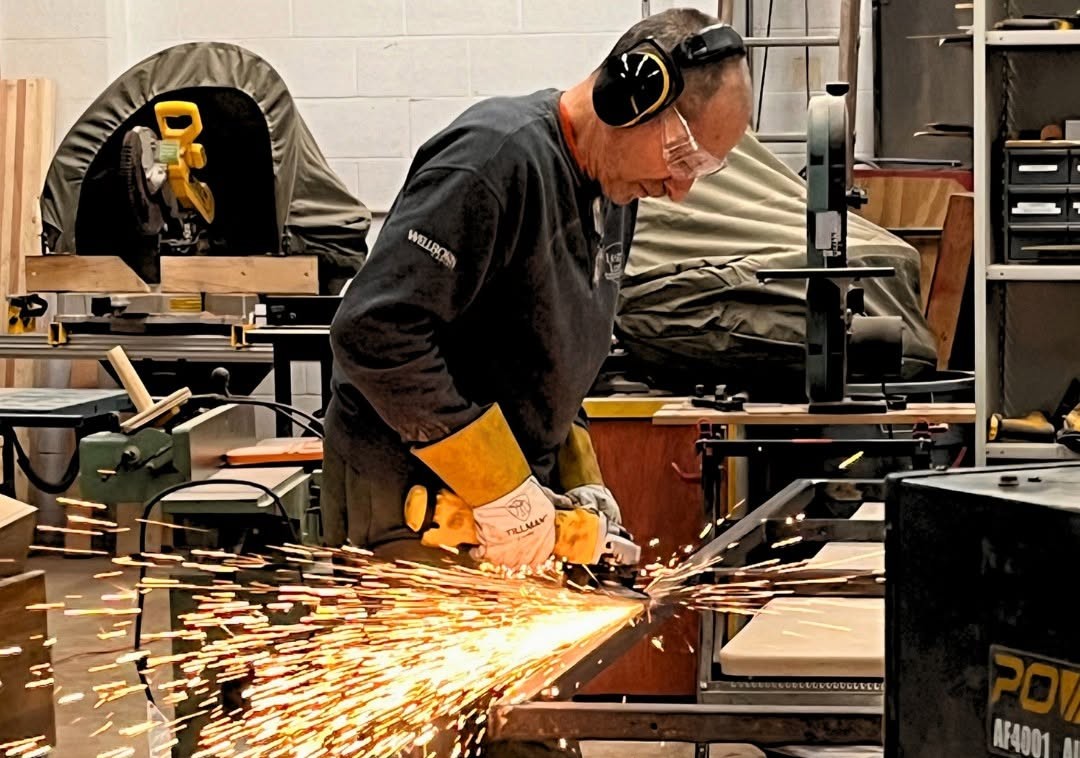
The Rivet has provided more than 70,000 hours of public access to its tools and to the people who know how to use them. There are more than 150 classes in woodworking, welding, pottery, textiles, laser cutting, 3D printing, and more. More than 1,500 class registrations come through each year. More than 180 artists, entrepreneurs, and small businesses have used the space to learn something, make something, or launch something, generating more than $800,000 in economic impact since 2020.
For more than a decade, community members envisioned a sustainable, shared workshop that offered broad access to tools, instruction, and creative space. Today, that vision is no longer an idea. It’s The Rivet.
On any given afternoon, the room might host a retiree, a graduate student, a teenager, and someone making a gift for a friend. They come for different reasons. They end up sharing ideas, encouragement, and sometimes even the next project.
“The idea that some people are talented and others are not is nonsense. Using a place like The Rivet as a safe space to engage your creativity and imagination is something everyone should do. Experimentation, curiosity, and exploration all enhance creativity, which is essential for innovation, vital not only for personal growth, but for the development of whole communities.”
— Peter Frantz, Rivet member
A rivet is a small piece of metal whose only job is to hold two things together permanently. Crowl and her team chose the name before there was a ceiling, before there was heat, before there was a single reason to believe any of it would work.
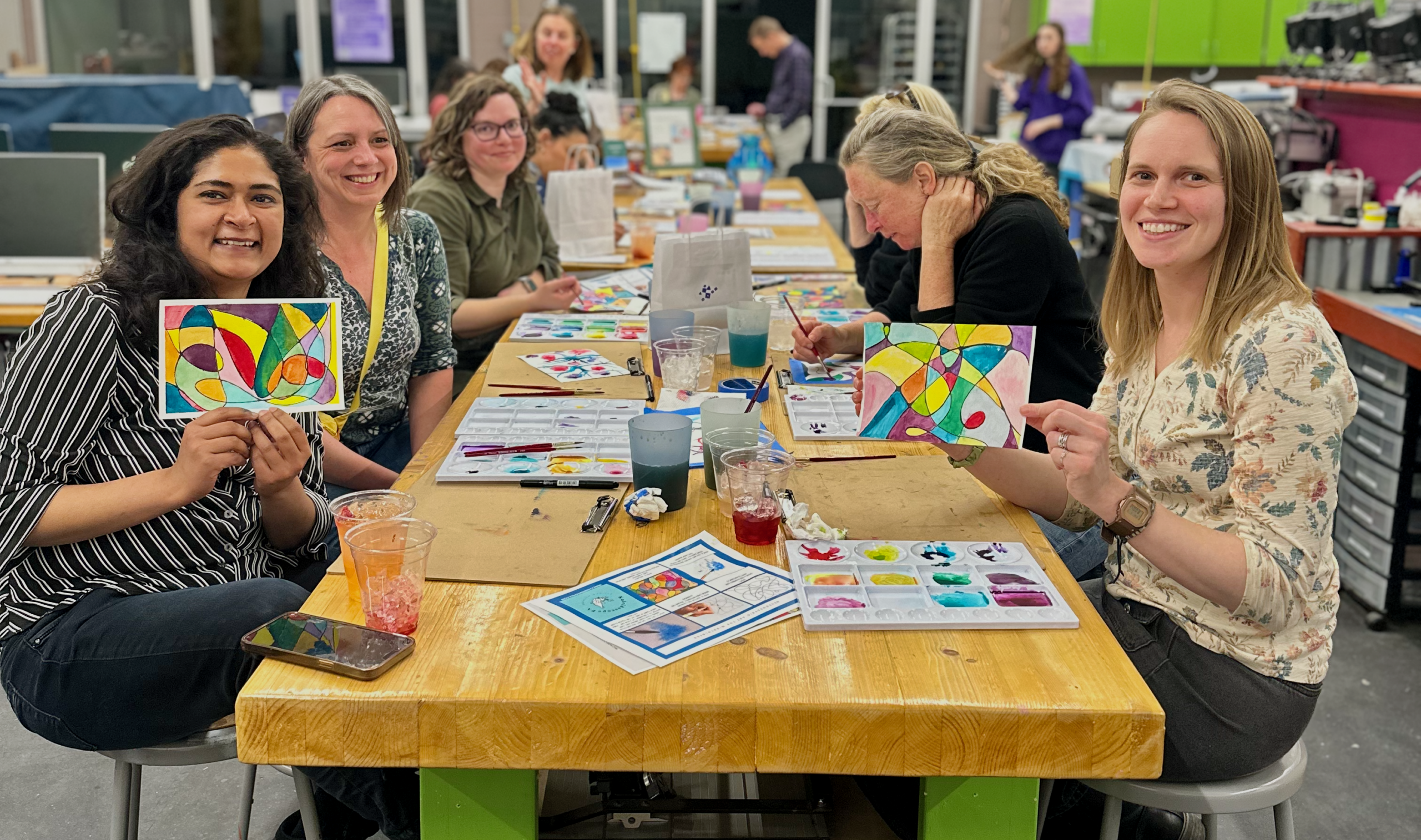
Today, the garage is full. Full of conversation. Full of sawdust. Full of half-finished ideas becoming finished ones. Full of people who were strangers when they walked through the door and collaborators by the time they left.
Nobody can buy a community. But sometimes, with $100,000 and a cold, empty garage, you can give one somewhere to begin.