
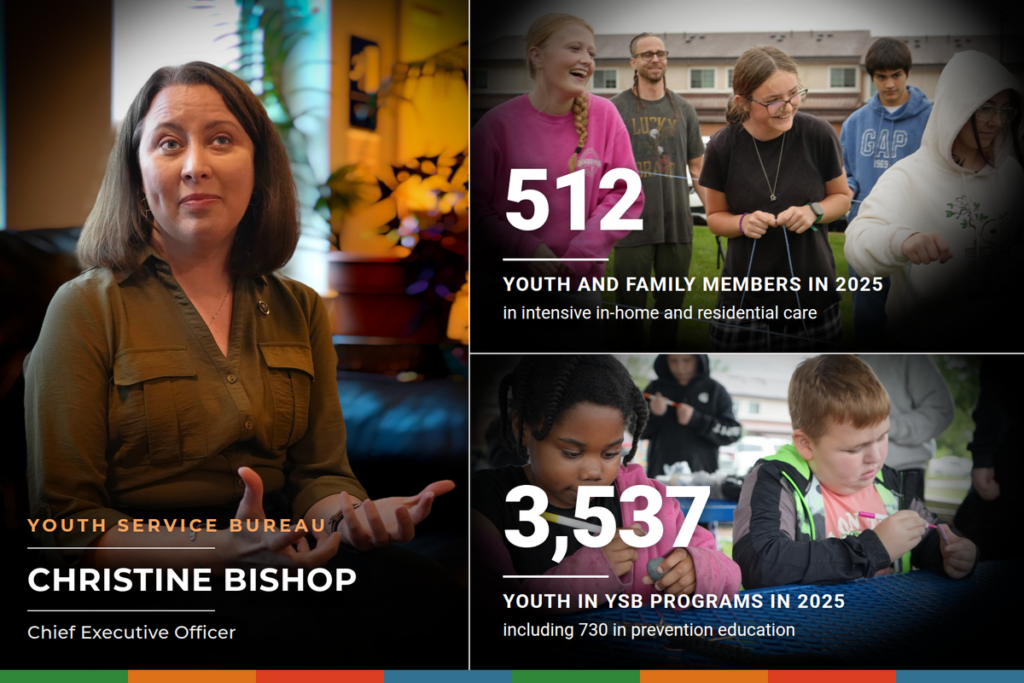
From early childhood through young adulthood, Youth Service Bureau has a unique view of the pressures facing Centre County families—and what can happen when rising costs, unstable housing, childcare challenges and mental health needs begin to converge.
Since its founding in 1968, YSB has worked alongside schools, courts, law enforcement and county agencies to identify where children and families are falling through the cracks and where additional support is most urgently needed. Through partnerships with all five Centre County school districts, YSB’s Student Assistance Program (SAP) puts that collaboration into practice, mobilizing critical school and community resources to address barriers to student success, including mental health challenges, substance use and truancy. In 2025, 179 youth received support through the program. Together, this work gives Christine Bishop, YSB’s CEO, an unusually expansive view of what families across the county are experiencing and has convinced her that communities cannot focus exclusively on what happens after a family reaches crisis.
She is a strong proponent of early intervention and has seen how even modest support for parents of young children can change daily family interactions and help children develop the foundation they need to enter school ready to learn. At the community level, she points to affordable housing, reliable public transportation and more affordable, high-quality childcare as investments that could help families maintain greater stability before an immediate problem becomes something larger.
“We see a whole host of different needs,” Bishop said. A teacher or parent may be concerned about a school-aged child who is struggling to make friends or having difficulty after the death of a parent or another traumatic loss. At the other end of the spectrum, YSB may encounter “a teenager literally showing up at the door of our youth shelter with no adult support and nowhere to go.”
Between those two extremes are families whose struggles may be less visible but are becoming increasingly complex.
When Families Are Stretched Thin
Bishop says YSB is seeing more acute mental health needs among children and caregivers, along with food insecurity and growing financial pressure. The 2025 Mount Nittany Health Community Health Needs Assessment reinforces what YSB is seeing: the percentage of food-insecure children in Centre County nearly doubled, from 5.7% in 2021 to 10.4% in 2022.
Housing and childcare costs are adding to the strain. Rising rents are driving some families farther from State College and Bellefonte, where many service and entry-level jobs are concentrated. Finding less expensive housing farther away may solve one problem, only to create another when reliable, affordable transportation is limited. For parents of young children, Bishop sees equally difficult choices around the soaring cost of childcare, including changing work schedules or relying on caregivers they may not know as well simply to remain employed.
Some parents work multiple jobs; others arrange opposite shifts to avoid childcare costs altogether. “Everything compounds, and much of it is related to financial pressures,” Bishop said. When adults are working long hours or opposite schedules, there may be less time and energy available for their children’s emotional and developmental needs. Older siblings may take on more responsibility for younger children, while some young people hold back their own worries because they recognize how much their parents are already carrying.
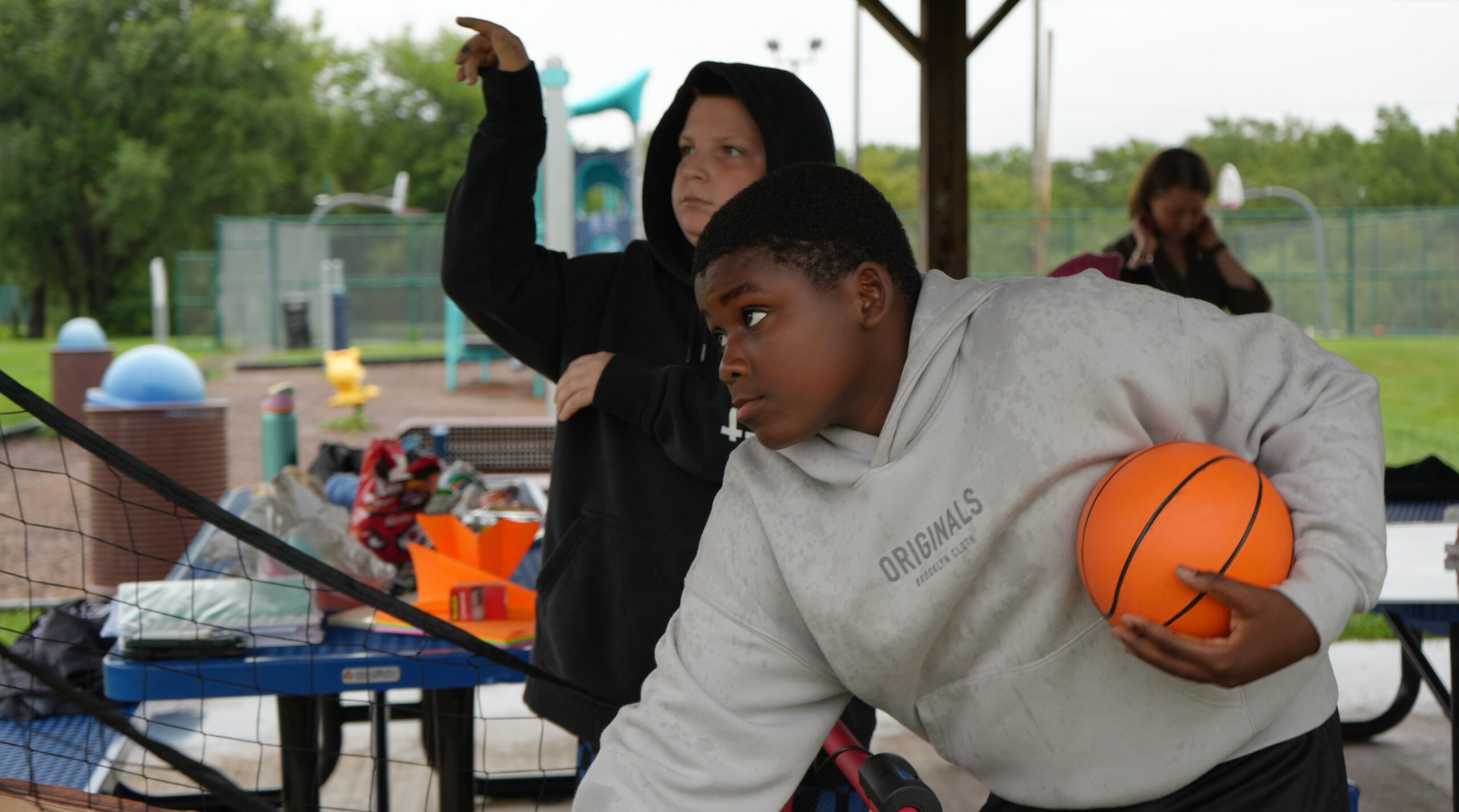
Bishop is particularly sensitive to the assumptions people sometimes make about parents in these circumstances. “I typically don’t see ‘families being irresponsible,’” she said. “Every day, I witness families who are working hard but can’t attain true stability for their families.”
For many of the families Bishop encounters, getting by requires constant adjustment. Parents piece together work schedules around childcare, stretch household budgets as costs rise, and rely on relatives or friends to fill gaps when they can. There may be little time, money or energy left over once the essentials are covered. The strain is not always visible from the outside, but over time, the compromises families make simply to keep things functioning can shape the environment in which their children are growing up.
Children often understand more about those pressures than adults realize. “Kids, and especially kids who have lived with some level of instability, are often good at reading the people around them,” Bishop said. They notice sudden moves, belongings that disappear and changes in their caregivers’ emotions. Some children respond by acting out as a way of exerting control when life feels uncertain; others withdraw, retreat online or experiment with alcohol or drugs.
Financial strain can also quietly narrow the ordinary experiences of childhood. Bishop has seen young people stop expressing interest in sports or activities because they understand that participation requires fees, equipment, transportation and an adult with enough time to get them there. At YSB sites, she has also seen young people worry about food, asking whether they can take something home or bring extra items back to their household.
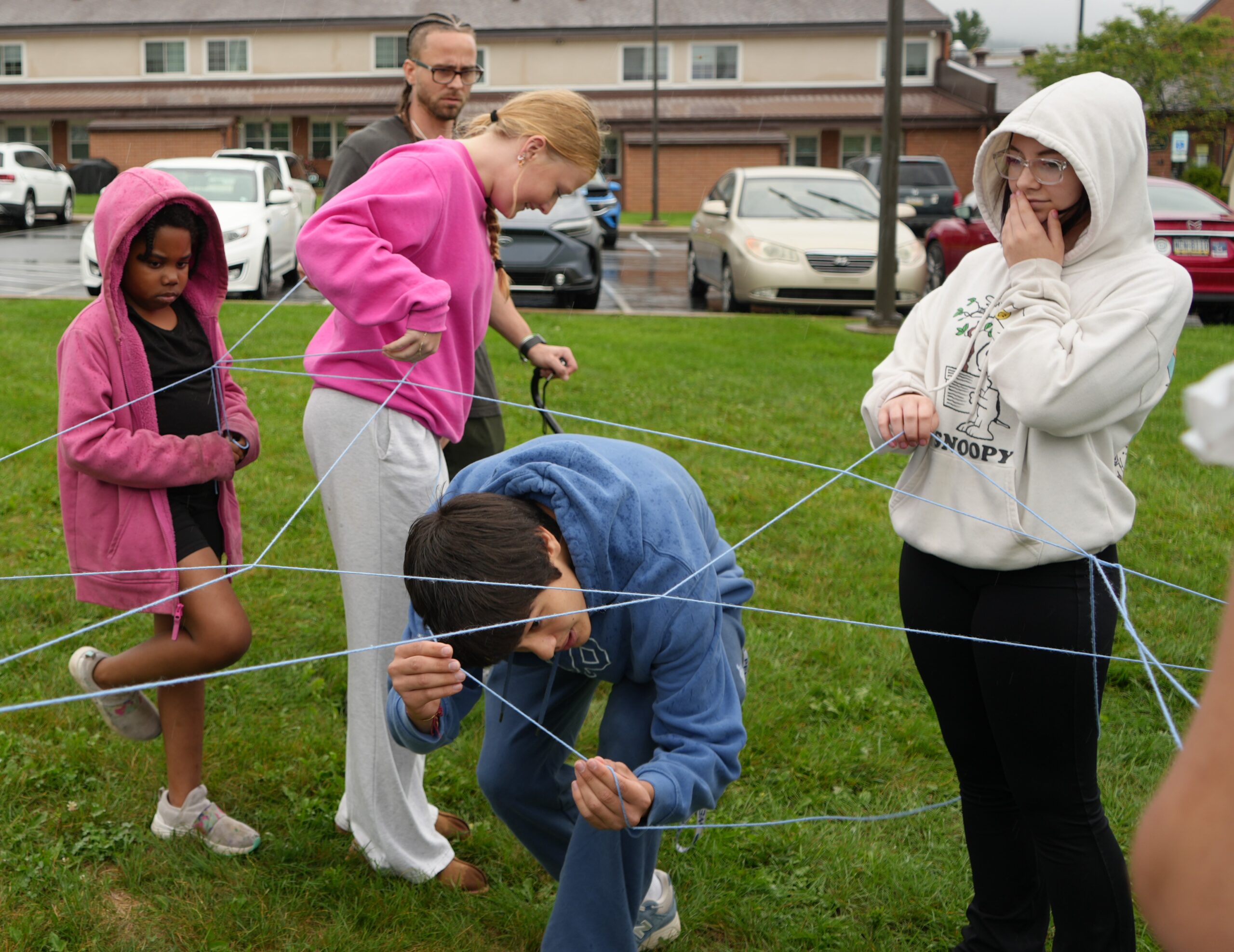
When Instability Follows Children as They Grow
By adolescence, some of those pressures take different forms and can become harder for the community to see. Youth homelessness, for example, does not always mean sleeping outside or in a shelter. Bishop says that particularly in rural Centre County, a teenager may be staying temporarily with friends or with the family of a boyfriend or girlfriend. There may be a roof overhead without the stability of knowing how long the arrangement will last.
Geography can deepen that isolation. Bishop identifies transportation as a primary barrier in rural communities, where services and opportunities are more dispersed and young people have fewer accessible activities. In Philipsburg, YSB has heard teenagers say that many activities described as “family friendly” are actually intended for younger children, leaving teens with few safe, welcoming places to spend time. Outreach itself has also become more difficult as young people spend less time in public spaces where YSB staff once connected with them.
For teenagers without strong family support, Bishop worries about something even more fundamental. “One of the biggest barriers for teens who don’t have strong family support is that they don’t have hope that their future will improve,” she said.
That becomes especially consequential as teenagers move into young adulthood. Turning 18 brings expectations of independence, but it does not automatically provide the resources required to achieve it. Young adults are expected to finish school, find employment, secure housing, manage money and transportation, and navigate relationships. Many do those things with a family quietly in the background: someone to call for advice, somewhere to stay when a plan falls apart or simply reassurance that one mistake will not leave them entirely on their own.
For some of the young people Bishop encounters, that person doesn’t exist. When asked what happens when an 18- to 21-year-old is trying to manage housing, employment, transportation, relationships and mental health without consistent family support, her answer was stark: “They typically fail. And then it’s hard to know what to try to tackle first when everything has fallen apart.”
The absence of dependable relationships can leave its own mark. Bishop remembers young people looking forward to visits from family members who promised to come and then never arrived. YSB staff work to show young people something different: that disagreements do not necessarily end relationships, mistakes can be repaired and someone can be upset with you and still care about what happens to you.
Bishop has seen how powerful that consistency can be. Former YSB youth still call staff years later for advice, to share an accomplishment or when something has gone wrong. “When kids have someone they can always call, for advice, to tell them what they need to hear, to celebrate with them, or to grieve with them, that’s what keeps them on the right track,” she said.
“One caring adult is all that each kid needs to have a real chance at realizing their true potential.”
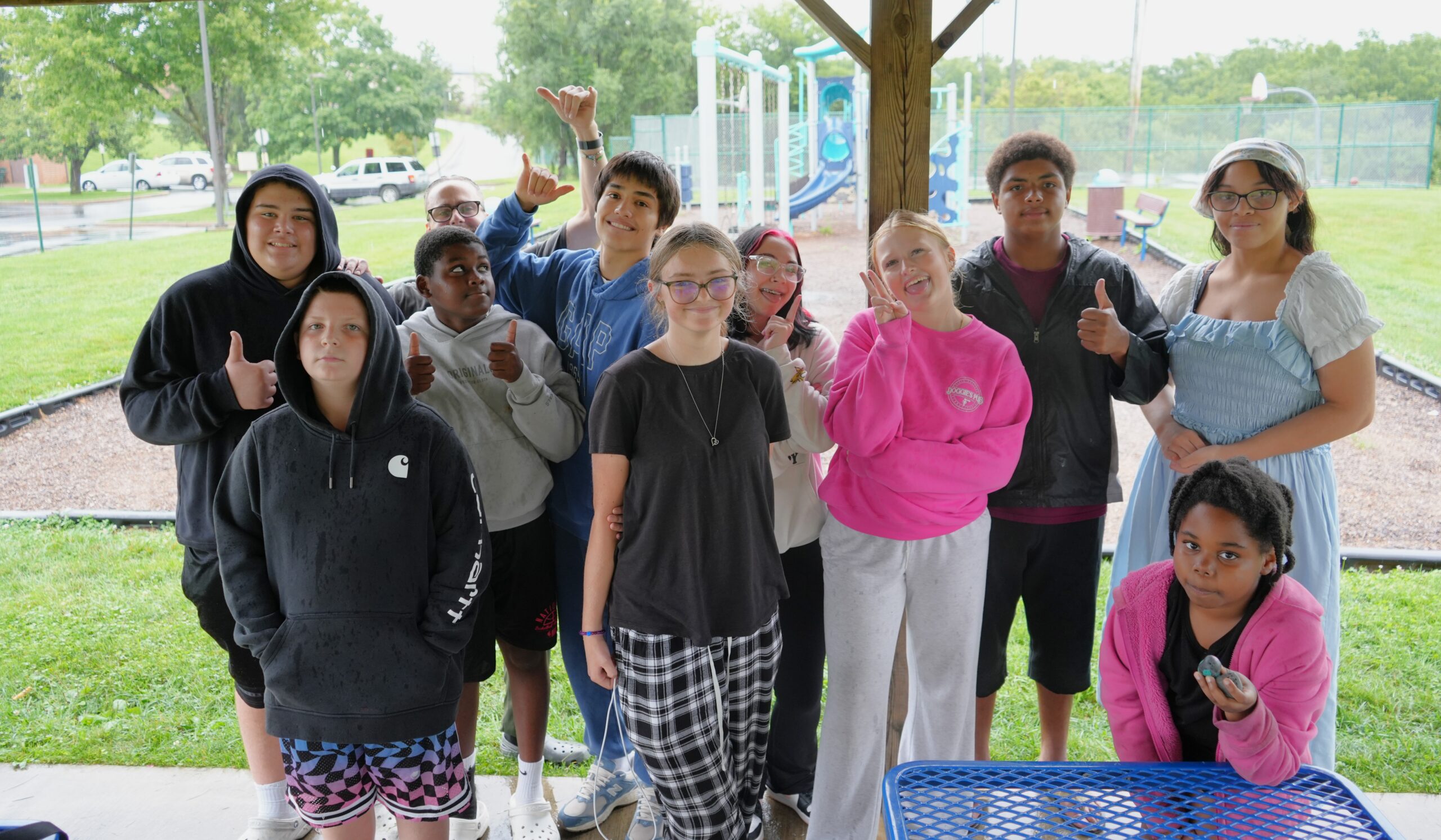
“When kids have someone they can always call, for advice, to tell them what they need to hear, to celebrate with them, or to grieve with them, that’s what keeps them on the right track”.
Changing What Comes Next
Since its founding in 1968, YSB has worked alongside schools, courts, law enforcement and county agencies to identify where children and families are falling through the cracks and where additional support is most urgently needed. That experience has also convinced Bishop that communities cannot focus exclusively on what happens after a family reaches crisis.
She is a strong proponent of early intervention and has seen how even modest support for parents of young children can change daily family interactions and help children develop the foundation they need to enter school ready to learn. At the community level, she points to affordable housing, reliable public transportation and more affordable, high-quality childcare as investments that could help families maintain greater stability before an immediate problem becomes something larger.
“There are a lot of things that are out of a child’s control,” Bishop said. “When we let them know that they are important and create opportunities for them to be included in something, we’re doing so much to set them up for success in the future. When we think they matter, they start to believe it themselves.”
Bishop believes the same grace should extend to parents: recognizing how hard many are working and providing something that makes the difficult job of caring for their children a little easier can make a meaningful difference.
This year, Centre Foundation’s Fund for Centre County is dedicated to supporting human services throughout our community, with every gift matched 1:1. For families living with little room for the unexpected, having support at the right moment can help preserve the stability children need as they grow and give young people a stronger foundation for what comes next.
Give to the Fund for Centre County today and double your impact for children, young people and families throughout our community.